
Asphalt surfaces are built to withstand years of traffic and changing weather, but they don’t last forever. Over time, driveways and parking lots begin to show signs of wear such as cracks, fading, rough textures, and minor depressions. While many property owners assume complete replacement is the only solution, resurfacing is often a practical and cost-effective alternative when the underlying pavement remains structurally sound. Understanding how resurfacing works can help you determine whether it’s the right investment for your property.
If you’re considering asphalt resurfacing, researching reputable paving companies in Irving is an excellent place to start. Experienced paving professionals can evaluate the condition of your existing pavement and determine whether resurfacing is appropriate or if more extensive repairs are needed. A proper evaluation helps ensure the selected solution addresses both the visible wear and the condition of the pavement underneath.
What Is Asphalt Resurfacing?
Asphalt resurfacing is the process of installing a new layer of asphalt over an existing pavement that still has a stable foundation. Unlike complete reconstruction, resurfacing preserves the existing base while replacing the worn surface with fresh asphalt.
Before the new asphalt is applied, contractors typically repair damaged areas, clean the surface, and perform milling when necessary to create a smooth, even base. A bonding layer, often referred to as a tack coat, helps the new asphalt adhere securely to the existing pavement.
When completed properly, resurfacing restores both the appearance and functionality of the pavement while extending its service life. Asphalt resurfacing is commonly used when the pavement structure remains sound but the surface has reached the end of its useful life.
Signs Your Pavement May Be Ready for Resurfacing
Not every damaged asphalt surface requires complete replacement. In many cases, resurfacing is an effective option when deterioration is limited to the upper layer.
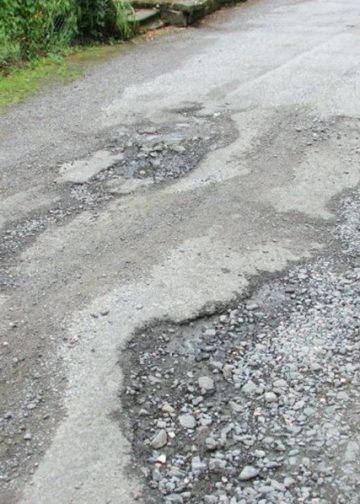
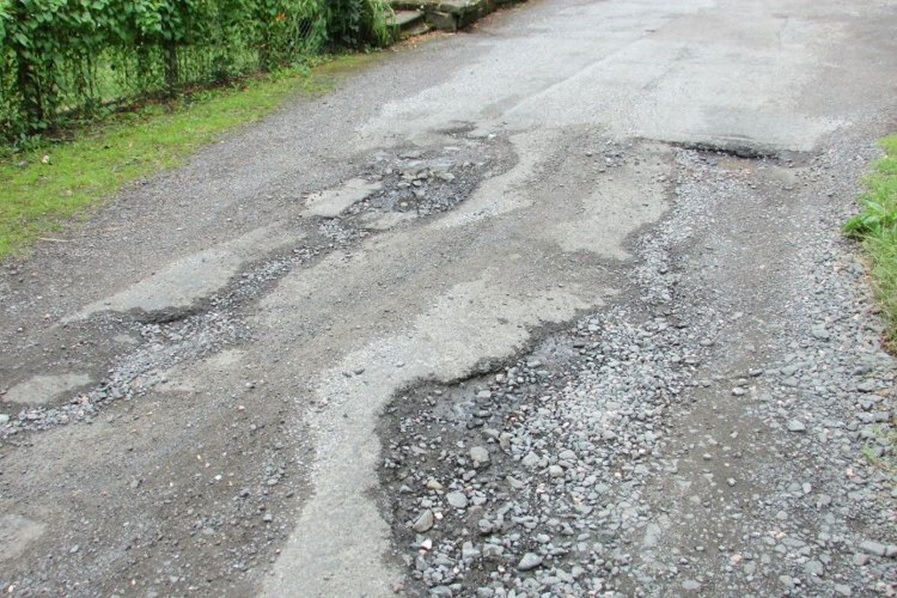
Minor cracking, faded pavement, shallow ruts, and surface oxidation are all common indicators that resurfacing may be appropriate. Parking lots or driveways that have become rough or uneven due to years of vehicle traffic often benefit from a fresh asphalt overlay.
However, extensive alligator cracking, widespread base failure, severe sinking, or major drainage issues may indicate structural problems beneath the pavement. In these situations, replacing the entire pavement structure may provide a more reliable long-term solution.
A professional inspection helps determine whether resurfacing can provide lasting results or whether deeper reconstruction is necessary.
Benefits Beyond a Fresh Appearance
Although a newly resurfaced driveway or parking lot immediately improves curb appeal, the advantages extend well beyond aesthetics.
A smoother pavement surface creates a more comfortable driving experience while reducing trip hazards for pedestrians. Fresh asphalt also improves water runoff by restoring proper surface grading, helping reduce standing water that can accelerate pavement deterioration.
For commercial properties, maintaining attractive pavement contributes to a more professional appearance for customers, employees, and visitors. Residential property owners often appreciate how resurfacing enhances the overall look of the home’s exterior without the cost of full replacement.
Choosing asphalt resurfacing at the right time can significantly extend pavement life while delaying the need for complete reconstruction.
Why Professional Preparation Matters
The long-term success of any resurfacing project depends heavily on proper preparation.
Before new asphalt is installed, contractors carefully inspect the existing pavement to identify weak areas, drainage concerns, and structural damage. Cracks are repaired, damaged sections are patched, and the surface is thoroughly cleaned before resurfacing begins.
When necessary, milling removes portions of the old asphalt to create a uniform surface for the new overlay. This preparation helps improve bonding between the old pavement and the new asphalt layer while creating a smoother finished product.
Skipping these preparation steps may reduce the lifespan of the resurfacing project and increase the likelihood of reflective cracking or premature deterioration. Proper milling, surface cleaning, crack repair, and tack coat application are recognized as critical steps for successful asphalt resurfacing projects.
Maintaining Newly Resurfaced Asphalt
Proper maintenance helps maximize the lifespan of resurfaced pavement.
Keeping the surface clean by removing debris and standing water helps reduce unnecessary wear. Property owners should also address oil or chemical spills promptly, as petroleum products may gradually soften asphalt if left untreated.
Routine crack sealing should be performed whenever small cracks develop, preventing moisture from penetrating beneath the surface. Sealcoating performed at appropriate intervals may also help protect the asphalt from ultraviolet exposure, oxidation, and everyday traffic.
Periodic inspections allow small maintenance needs to be addressed before they develop into more significant repairs.
Choosing the Right Paving Contractor
Selecting a qualified paving contractor is one of the most important decisions in any resurfacing project.
Experienced professionals begin with a detailed inspection rather than recommending resurfacing automatically. They evaluate the pavement’s structural condition, drainage, traffic patterns, and overall wear before recommending the most appropriate solution.
Homeowners and business owners should also ask about preparation methods, materials, project timelines, and maintenance recommendations. Understanding the entire process helps ensure expectations remain clear from the initial estimate through project completion.
Working with knowledgeable contractors helps maximize the lifespan of the resurfaced pavement while protecting your investment for years to come.
Restore Your Pavement With Professional Asphalt Resurfacing
A worn asphalt surface doesn’t always require complete replacement. When the underlying foundation remains stable, asphalt resurfacing offers an efficient way to restore appearance, improve functionality, and extend the life of your driveway or parking lot. By addressing surface deterioration early and investing in professional workmanship, property owners can enjoy smoother pavement, improved curb appeal, and long-lasting performance without the expense of full reconstruction.
When you’re ready for dependable asphalt resurfacing, Irving Asphalt Paving Pros provides professional paving solutions, thorough pavement evaluations, and quality workmanship designed to restore asphalt surfaces and help property owners protect their investment for years to come.