

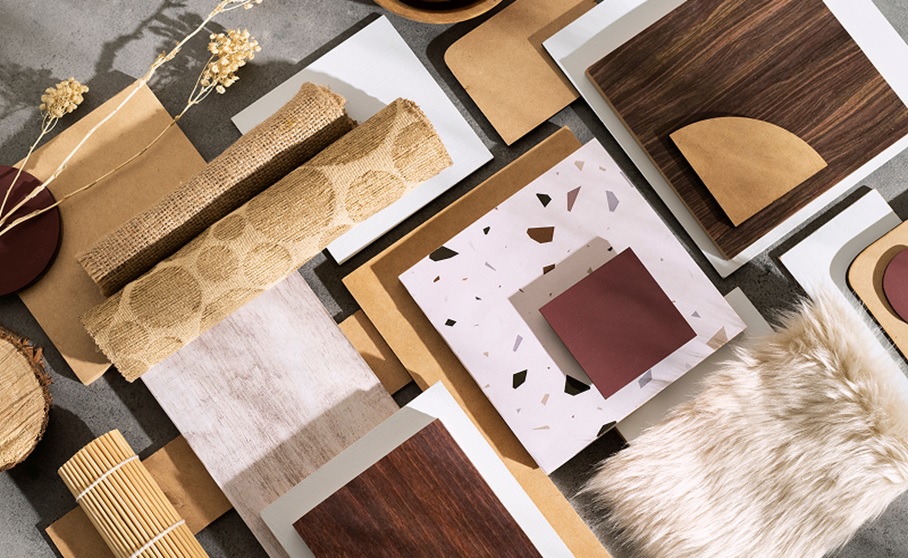
Flooring influences how a room feels before furniture, artwork or decorative accessories are added. Parquet creates visual interest by arranging wood pieces into a repeated pattern, allowing the floor to become either a subtle backdrop or a prominent design feature. The pattern you choose can affect how spacious, formal or dynamic an interior appears.
When selecting parquet flooring in Singapore, consider the dimensions of each room, the direction of natural light, furniture placement and the maintenance you are prepared to undertake. Different patterns create different visual effects, but the best choice depends on the space and the overall design rather than popularity alone.
1. Herringbone for a Structured, Timeless Look
Herringbone uses rectangular wood pieces arranged in a staggered zigzag pattern. The repeated lines create movement without requiring a highly decorative colour combination, making this pattern suitable for many contemporary and traditional interiors.
It can work well in living rooms, dining areas and hallways where homeowners want the floor to have a clear visual identity. The direction of the pattern can influence how the room is perceived, although the result depends on the room’s proportions, lighting and the size of the wood pieces.
Choose the wood tone carefully. Pale timber can support a light, understated interior, while deeper shades may create a more formal atmosphere. Consider how the pattern will meet doorways and adjoining flooring, as these transitions affect the finished appearance.
2. Chevron for Strong Directional Lines
Chevron flooring arranges pieces so their ends meet at an angle, forming a continuous series of points. It resembles herringbone at a glance, but the aligned ends create a more continuous directional effect.
This pattern may suit rooms where homeowners want a defined visual axis, such as a long living area or a space leading towards a focal feature. However, the direction should be considered alongside the layout of furniture, doorways and windows.
Chevron can involve more precise cutting and installation than simpler layouts. Ask the installer how the pattern will be centred, how edges will be finished and whether the room’s dimensions could result in narrow pieces at the boundaries. Review a layout plan before installation to reduce the risk of an unbalanced result.
3. Basket Weave for a Decorative, Traditional Feel
Basket-weave parquet flooring are groups of wood pieces, creating the appearance of interlaced strips. Depending on the design, the effect can be subtle or strongly decorative.
It may suit homes with traditional details, classic furniture or interiors that benefit from a more intricate floor pattern. In a smaller room, the scale of the repeating units matters. A large motif can dominate a compact space, while a smaller pattern may produce a busier appearance if combined with many other decorative elements.
Consider the rest of the room before selecting this layout. If furniture, wall treatments and textiles already contain strong patterns, a restrained wood tone may help maintain balance. Ask to see a representative sample or layout rather than judging the effect from a small photograph alone.
4. Brick or Staggered Layout for a Simpler Appearance
A staggered layout uses rectangular pieces arranged in offset rows. It offers a simpler appearance than intricate parquet designs while retaining the warmth and variation of wood flooring.
This pattern can work in modern homes where the furniture and architectural details should remain the main focus. It may also suit connected living and dining areas where a quieter floor helps the overall space feel cohesive.
The visual effect depends on board dimensions, colour variation and the amount of contrast between individual pieces. Very pronounced grain or tone differences can make the floor more visually active, while a more consistent finish can provide a calmer background.
Confirm the installation specification and intended pattern with the supplier. The term “parquet” can be used broadly in product descriptions, so make sure the proposed layout matches the design you have chosen.
5. Square or Geometric Panels for a Formal Finish
Square or geometric parquet panels arrange wood pieces into repeated blocks, sometimes incorporating contrasting directions or tones. These designs can create a formal, decorative appearance that works well in larger rooms or interiors with clear architectural features.
Because the pattern can become a focal point, consider the dimensions of the room and how much uninterrupted floor area will remain visible after furniture is placed. A highly detailed pattern may be less noticeable in a small room with extensive cabinetry, while a large open space may provide a better view of the design.
Ask how the pattern will align with the room’s centre, doorways and main sightlines. If the floor includes borders or contrasting inlays, confirm how these will meet walls and adjoining surfaces.
Pattern Selection Table
| Pattern | Visual Character | Potential Fit | Main Consideration |
| Herringbone | Repeated zigzag movement | Living rooms, hallways and dining areas | Direction and alignment at edges |
| Chevron | Strong, continuous directional lines | Long rooms or spaces with a clear focal axis | Accurate layout and cutting |
| Basket weave | Decorative, interlaced appearance | Traditional or detailed interiors | Pattern scale and visual complexity |
| Staggered layout | Simple, understated rhythm | Contemporary interiors and connected spaces | Board dimensions and colour variation |
| Square or geometric panels | Formal, patterned finish | Larger rooms and statement interiors | Room proportions and alignment |
Match the Pattern to the Room
Before choosing a design, measure the room and consider the direction of natural light. A sample viewed in a showroom may look different under your home’s lighting, wall colours and furniture. If possible, review a larger sample in the actual space.
Think about how the floor will connect with bedrooms, kitchens or adjoining rooms. Consistency does not require every room to use the same pattern, but changes should look intentional. Consider door thresholds, skirting and any transitions to tile or another flooring material.
Maintenance deserves attention as well. The care requirements depend on the wood species, product construction and finish, not simply the pattern. Ask the supplier about cleaning, moisture exposure, surface repairs and how the floor should be protected from furniture movement.
Parquet flooring in Singapore offers a range of visual styles, from restrained staggered layouts to detailed geometric designs. Compare patterns against room dimensions, furniture, lighting and installation requirements, then confirm the product and finish before making a final selection. A well-chosen layout should complement the space without making future maintenance unnecessarily difficult.
Contact Hardscapes to discuss parquet flooring options and compare patterns, finishes and installation considerations for your home.