

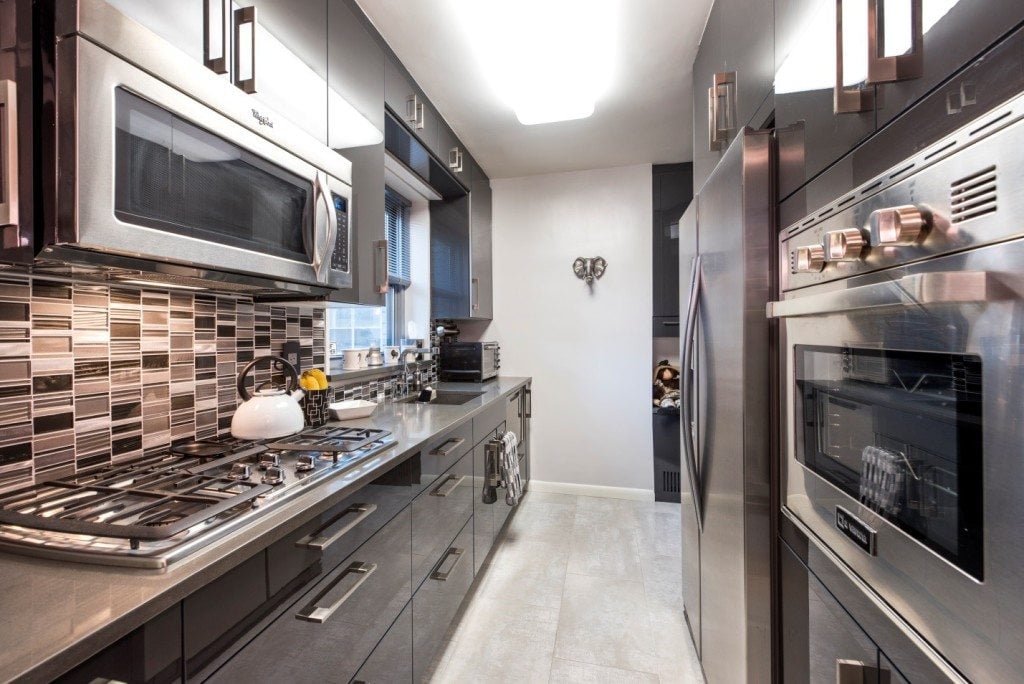
The kitchen is often called the heart of the home, but for many homeowners, the thought of upgrading it sends a shiver down the spine. A full-scale overhaul can be an enormous investment of time, energy, and capital. However, what if you could achieve that magazine-worthy look and vastly improve functionality without needing to gut the entire space?
The secret to achieving a luxurious feel while sticking to a realistic budget lies in smart strategy and prioritising high-impact changes. Whether you’re planning a partial refresh or a comprehensive kitchen renovation, understanding where to spend and where to save is crucial. This guide will walk you through the clever design choices and practical steps that deliver maximum visual return on minimal investment, helping you realise your dream space without the financial headache.
Planning your smart renovation: Prioritising impact
Before you call the tradies or start ripping out cabinets, the most important step in any kitchen renovation journey is strategic planning. A smart renovation isn’t just about saving money; it’s about making sure every dollar spent elevates the overall look and usability. Think of your kitchen as a complex system – if the bones are good, focus on the skin.
The highest costs are usually associated with moving plumbing, gas lines, or electrical points. If your current layout generally works, commit to keeping the existing footprint. This single decision can minimise labour costs, reduce the need for complicated council approvals, and dramatically streamline the timeline for your kitchen renovation.
The power of smart budgeting
When budgeting, allocate funds based on visibility and frequency of use. Items you touch every day, like tapware and handles, should be high quality. Items that are largely structural, like internal cabinet boxes (if they are still solid), can often be retained.
Here are key areas to focus your budget for the best impact:
- Cabinet Fronts: Replacing doors and drawer fronts is far cheaper than installing entirely new cabinetry and offers the biggest visual change.
- Benchtops: This is a major visual surface. Investing here pays dividends in perceived luxury.
- Lighting: Often overlooked, lighting can completely change the atmosphere and functionality of the space.
- Splashback: A relatively small area, but an opportunity to introduce texture, colour, or pattern.
By focusing on these elements, you can achieve the look of a brand-new space while minimising the labour and material costs associated with a full strip-out.
Choosing the right aesthetic: Defining your style
The style you choose sets the tone for the entire home. Before selecting materials, you need a clear vision. Are you leaning towards sleek minimalism, or do you prefer something warmer and layered? Understanding various kitchen design styles is essential to ensure a cohesive and lasting result. Mismatched styles are a guaranteed way to make a renovation look piecemeal rather than professional.
Exploring popular kitchen design styles
Whether you are drawn to the crisp lines of contemporary design or the robust character of something more rustic, defining your aesthetic early ensures consistency when selecting finishes, from the flooring to the cupboard handles.
The enduring appeal of modern shaker kitchens
Shaker style is a timeless classic, renowned for its simple, framed cabinetry. The modern iteration of this style takes that classic frame and updates it with contemporary finishes. Think matte paint colours (deep navy, charcoal, or soft sage), sleek, often handleless or minimalist hardware, and integrated appliances. Modern shaker kitchens strike a perfect balance between traditional craftsmanship and current trends, offering a versatile backdrop that suits almost any home. They are particularly favoured for their ability to look sophisticated and clean without feeling cold.
Embracing the industrial kitchen look
If you love raw textures and a sense of history, the industrial kitchen design might be your perfect match. This look celebrates exposed materials – raw timber, concrete finishes, stainless steel, and black metal accents. To achieve this high-impact style affordably, focus on exposed shelving, wire mesh inserts in overhead cabinets, and feature lighting with visible bulbs. An industrial kitchen doesn’t require expensive finishes; it relies on clever styling and the use of hard-wearing, often cost-effective materials like pressed metal or subway tiles for the splashback.
Warmth and character with modern farmhouse kitchens
The modern farmhouse kitchens aesthetic combines the rustic comfort of country living with streamlined, contemporary functionality. Key elements include natural wood textures (often on an island bench or open shelving), deep ceramic sinks, and soft, neutral colour palettes. Unlike its traditional predecessor, the modern version avoids overly fussy details, favouring simple profiles and functional layouts. This style is perfect for creating a welcoming, family-friendly space where everyone feels comfortable gathering.
High-impact upgrades that won’t break the bank
The true genius of an affordable kitchen renovation is knowing which small changes yield dramatic results. These are the details that professional designers rely on to elevate a budget-conscious project into something truly bespoke.
Cabinetry refresh: Doors and hardware
As noted, replacing cabinet doors and drawers is the most effective way to change the entire feel of your kitchen without the massive expense of a full tear-out. If the internal structure is sound, retaining the existing carcasses is a massive cost-minimiser.
Moreover, don’t underestimate the power of hardware. Handles and knobs are the jewellery of the kitchen. Switching out old, tired handles for new, contemporary brass, matte black, or leather pulls can instantly modernise the space. This is a relatively minor cost in the overall budget for your kitchen renovation, yet it offers incredible visual leverage.
Benchtop brilliance: Smart material choices
Benchtops are the engine room of the kitchen and one of the most visible surfaces. While marble or thick slabs of engineered stone are undeniably beautiful, they come with a hefty price tag. For a smart kitchen renovation, consider alternatives:
- Laminate: Modern laminates are light years ahead of their predecessors. They can mimic the look of timber, concrete, or stone with remarkable realism, are incredibly hard-wearing, and are significantly cheaper.
- Thinner Stone Profiles: Instead of opting for the chunky 40mm benchtops, choosing a sleek 20mm profile often provides a more contemporary look while reducing material costs.
- Timber: A solid timber benchtop (especially on an island) introduces warmth and character, pairing beautifully with modern shaker kitchens and modern farmhouse kitchens alike, and is often more affordable than high-end stone.
Lighting and tapware: The jewellery of the kitchen
If you want to create an illusion of luxury during your kitchen renovation, focus on lighting. Good lighting is functional, highlighting workspaces, and atmospheric, setting the mood.
Invest in three types of lighting:
- Task Lighting: LED strips under overhead cabinets are relatively inexpensive and essential for practical work.
- Ambient Lighting: Recessed downlights for overall illumination.
- Feature Lighting: Pendant lights over the island or dining area. These are critical for adding personality and flair.
Similarly, the tap is a high-contact item. A weighty, well-designed mixer tap in matte black, chrome, or brushed gold can make a huge difference to the perceived quality of the entire sink area. Spend a little extra here – it’s worth it for the feel and durability.
Working with the right tradies and timelines
Even the smartest plan relies on execution. When embarking on your kitchen renovation, engaging reliable, local tradies is non-negotiable. Get multiple detailed quotes and ensure they understand that you are working within the existing footprint to minimise scope creep.
A smart renovation schedule prioritises the steps that cause the most disruption early on – electrical, plumbing, and major structural changes (if any). By pre-ordering all materials, especially long lead-time items like bespoke cabinet doors or specific appliances, you minimise downtime. Nothing is worse than paying a carpenter to wait for materials to arrive.
Furthermore, consider your splashback choices carefully. If you choose a material that requires precise cutting and installation, like patterned tiles, ensure the tile layer is highly skilled. Mistakes here can be costly and delay the entire programme.
Bringing it all together: Affordability meets style
A successful kitchen renovation is not about spending the most; it’s about making informed choices that maximise visual appeal and functionality while respecting your budget. By focusing on smart surface changes – new doors, refined benchtops, and updated lighting – you can completely transform the aesthetic. Whether you are aiming for the clean lines of modern shaker kitchens, the rugged charm of an industrial kitchen, or the welcoming feel of modern farmhouse kitchens, the key is consistency.
Remember that the kitchen is where life happens. Invest in quality where it matters most – the surfaces you touch and the hardware that endures daily use. By following these strategic steps, you will soon be celebrating the completion of your dream space, proving that high-end impact is absolutely achievable, even when budget constraints are firmly in place.