
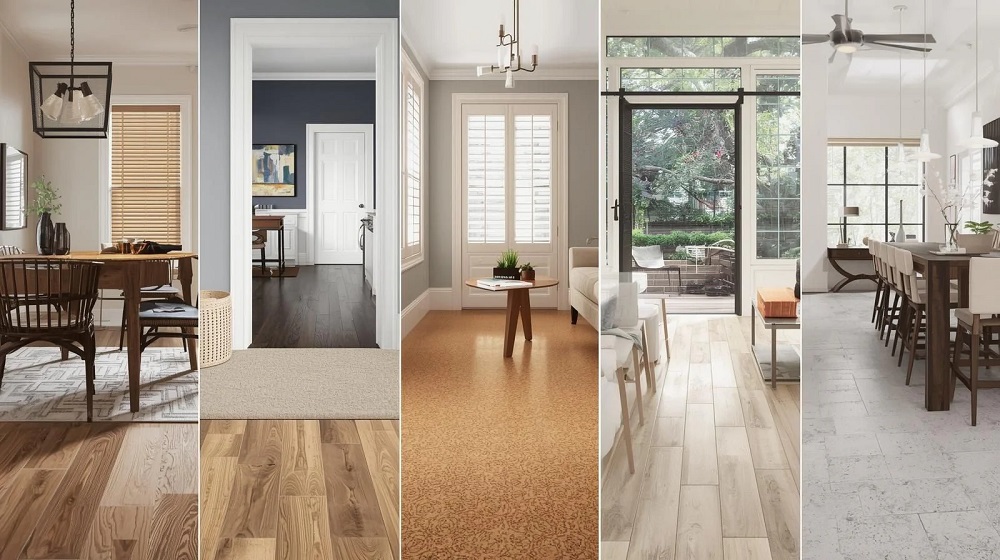
Home is a sanctuary, but it is also a bustling hub of daily activity. In a busy household, floors bear the brunt of reality. From the heavy foot traffic of a morning school rush and the tracking of mud or grit from outdoors to the accidental spills in the kitchen and the claws of family pets, residential flooring is under constant assault.
When remodeling or selecting floors for high-traffic zones like entryways, kitchens, hallways, and living rooms, aesthetics cannot be the sole deciding factor. Homeowners must prioritize durability, moisture resistance, and ease of maintenance. Fortunately, modern manufacturing has closed the gap between resilience and design, offering flooring options that withstand heavy wear while elevating the home interior.
Luxury Vinyl Plank (LVP): The Modern Household Champion
Luxury Vinyl Plank, commonly known as LVP, has revolutionized the residential flooring industry. It has quickly become the preferred choice for contractors and busy families alike, offering an ideal balance of cost, durability, and visual appeal.
-
Impenetrable Moisture Resistance: True LVP is completely waterproof. This makes it uniquely suited for high-traffic areas that are also prone to spills and moisture, such as kitchens, mudrooms, and open-plan living areas adjacent to backyards.
-
The Role of the Wear Layer: The durability of LVP is determined by its top clear coat, known as the wear layer. For busy households with pets and children, choosing a commercial-grade wear layer of 20 mils or higher ensures maximum resistance against scratches, scuffs, and deep dents.
-
Realistic Aesthetics: High-definition printing technology and registered-in-register embossing allow LVP to mimic the exact grain, texture, and shifting colors of authentic hardwood or natural stone without any of the structural vulnerabilities.
Porcelain and Ceramic Tile: The Standard for Absolute Longevity
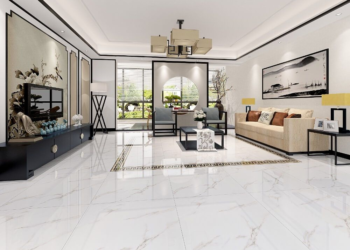
For areas that face relentless foot traffic and maximum moisture exposure, porcelain and ceramic tiles remain unmatched. While often grouped together, porcelain is fired at much higher temperatures and composed of denser clay, making it the more durable option for main thoroughfares.
-
Scratch and Dent Immunity: It is nearly impossible to scratch a high-quality porcelain tile with ordinary residential use. Dog claws, heavy furniture legs, and dropped kitchen utensils will not leave a mark on its vitrified surface.
-
Low Maintenance Requirements: Spills, mud, and sticky residues sit on top of the tile glaze rather than soaking into the material. Cleaning typically requires nothing more than a quick sweep and a damp mop with a mild cleaner.
-
The Slip Resistance and Grout Factor: When installing tile in high-traffic entryways or kitchens, it is vital to select a product with a textured slip-resistant finish. Additionally, utilizing a stain-resistant epoxy grout prevents the joint lines from discoloring over time under heavy foot traffic.
Hardwood Alternatives: Engineered Wood and High-Density Laminate
Many homeowners love the warmth and timeless value of traditional solid hardwood, but it is notoriously susceptible to denting, scratching, and water damage. For a busy household, two alternatives deliver the look of real wood with significantly higher durability.
Engineered Hardwood: Real Wood with Enhanced Stability
Engineered hardwood features a real wood veneer bonded over a multi-layer core of high-density fiberboard or plywood. This structural design prevents the wood from warping, expanding, or contracting when exposed to humidity changes in busy households.
-
Selecting Hard Species: To maximize longevity in busy areas, opt for engineered wood with a thick top veneer made from hard wood species like hickory, oak, or maple, and look for factory-applied aluminum oxide topcoats for scratch defense.
High-Density Laminate: Superior Impact Resistance
Modern premium laminate flooring has evolved far beyond the cheap, hollow-sounding options of the past. Today’s high-density laminate features a dense fiberboard core and an incredibly tough aluminum oxide wear layer.
-
AC Rating System: Laminate flooring is rated by the Abrasion Criteria (AC) system. For a busy home with kids and pets, selecting a floor rated AC4 or AC5 ensures the surface can handle heavy residential and light commercial traffic without wearing thin.
Natural Stone and Quartzite: The Premium Investment
When budget is less of a constraint and the goal is a combination of upscale luxury and raw durability, certain natural stones stand out. While porous stones like marble and limestone require too much maintenance for busy areas, alternatives like quartzite and slate offer excellent service.
-
Quartzite Durability: Not to be confused with engineered quartz countertops, quartzite is a natural metamorphic rock that is harder than granite. It resists scratching beautifully and provides a distinct, high-end appearance in grand entryways and kitchens.
-
Slate Texturing: Slate naturally splits into layered textures, providing built-in slip resistance. Its dark, variegated coloring is exceptional at hiding tracked-in dirt and pet hair until the next cleaning cycle.
Comparative Overview: Matching Flooring to Household Needs
To assist in narrowing down the ideal choice, the following breakdown highlights how the top flooring options perform across critical household metrics:
| Flooring Type | Scratch Resistance | Water Resistance | Comfort Underfoot | Lifespan |
| Luxury Vinyl Plank (LVP) | High | Excellent (Waterproof) | Medium (Resilient) | 15 – 25 Years |
| Porcelain Tile | Exceptional | Excellent (Waterproof) | Low (Hard/Cold) | 50+ Years |
| High-Density Laminate | High | Moderate to High | Medium | 15 – 20 Years |
| Engineered Hardwood | Moderate | Moderate | Medium | 25 – 40 Years |
| Natural Slate / Quartzite | High | High (When Sealed) | Low (Hard) | 50+ Years |
Designing for Longevity: Practical Tips for Busy Spaces
Choosing the right material is only half the battle; how you deploy that material matters. To ensure your high-traffic floors look pristine for decades, consider implementing these design practices:
-
Embrace Variegation and Pattern: Solid, uniform colors—especially absolute white or solid dark espresso—show every piece of lint, dust, pet hair, and scratch. Opt for floors with natural color variations, knots, or grain patterns that visually camouflage daily debris.
-
Strategize Transition Zones: Use heavy-duty walk-off mats or inset tile grids directly inside entryways to capture grit and moisture before shoes ever make contact with your primary living room flooring.
Frequently Asked Questions
What is the difference between the AC ratings found on laminate flooring?
The Abrasion Criteria (AC) rating is an international standard that measures a laminate floor’s resistance to wear, impact, and staining. Ratings run from AC1 to AC6. AC1 and AC2 are reserved for low-traffic areas like guest bedrooms. AC3 is suitable for standard residential use. For busy households with children, large pets, and constant foot traffic, it is highly recommended to select AC4 or AC5 flooring, which is durable enough to withstand commercial environments.
Can luxury vinyl plank flooring handle the weight of heavy pianos or large refrigerators?
Yes, LVP can support significant weight, but its performance depends on the core type. For high-traffic areas with heavy appliances or furniture, choose Rigid Core LVP, specifically Stone Plastic Composite (SPC). The limestone-stabilized core prevents the planks from compressing or indenting under concentrated heavy weight. It is also essential to use wide felt pads under heavy furniture legs to distribute the weight evenly and prevent surface scuffing during movement.
How often do natural stone floors need to be sealed in high-traffic entryways?
Natural stone is inherently porous, meaning it can absorb liquids and sustain stains if left unprotected. In high-traffic zones like a front entryway or mudroom, natural stone should be treated with a high-quality penetrating sealer at least once a year. A simple way to test if your sealer is still working is to drop a few beads of water onto the stone; if the water beads up on the surface, the sealer is intact, but if it quickly darkens the stone and sinks in, it is time to reapply.
Why does engineered hardwood perform better in humid environments than solid hardwood?
Solid hardwood consists of uniform wood planks that swell when absorbing humidity and shrink when the air dries out, leading to cupping, gapping, and squeaking over time. Engineered hardwood uses a cross-ply construction method where multiple layers of wood or fiberboard are glued together in alternating directional grains. This cross-grain alignment counteracts the natural movement of the wood, providing excellent dimensional stability in high-traffic kitchens or humid coastal homes.
Does the installation method of LVP affect its durability in busy areas?
The two primary installation methods for LVP are click-lock floating floors and glue-down planks. For large, high-traffic residential areas or rooms with heavy rolling loads, a glue-down installation offers superior stability because the planks are permanently bonded to the subfloor, eliminating the risk of shifting or joint separation. However, click-lock floating floors are highly durable as well, provided the subfloor is perfectly flat and a high-quality underlayment is used to absorb sound and impact.
Is concrete flooring a viable option for busy residential interiors?
Polished or stained concrete is an exceptionally durable option for high-traffic modern and industrial-style homes. It is completely immune to pet scratches, water damage, and heavy impacts. However, it requires a solid structural subfloor, typically a concrete slab, and can be physically cold and hard underfoot. When properly sealed to prevent oil and liquid staining, a concrete floor offers an almost infinite lifespan with minimal maintenance required.