
When you think about building a barn, the traditional approach probably comes to mind: months of planning, on-site construction crews, weather delays, and uncertainty about the final timeline. But over the past decade, a quieter revolution has been reshaping how property owners approach barn construction. Modular barns are changing the game for homeowners, farmers, and landowners who need reliable structures without the headaches of conventional building methods.
The shift toward modular construction isn’t just a trend. It’s a practical response to real problems that have plagued barn builders for generations. In this guide, we’ll explore what modular barns actually are, why they’re gaining popularity, and whether this approach makes sense for your property.
What Are Modular Barns, Really?
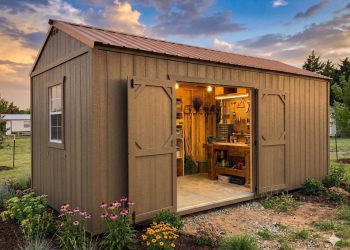
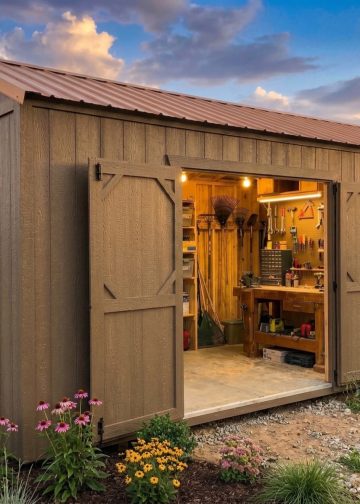
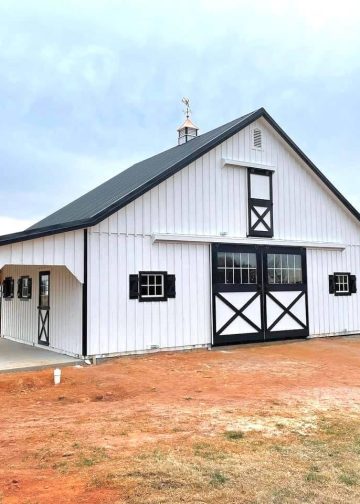
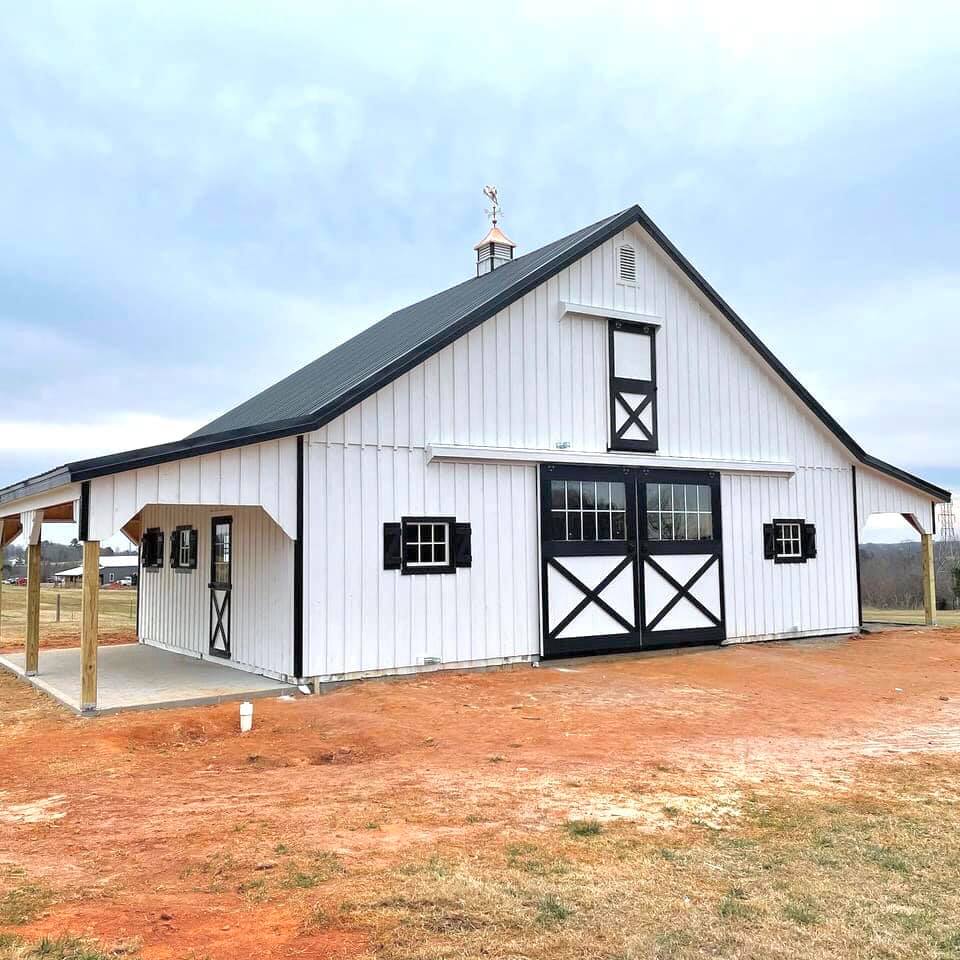
Before diving into why homeowners are choosing prefab options, let’s clarify what we’re talking about. Modular barns are pre-engineered structures that are constructed in controlled factory settings, then delivered and assembled on-site. They’re not kit barns that you assemble yourself, and they’re not cheap metal structures bolted together quickly. Instead, they’re thoughtfully designed, quality-built structures that arrive at your property ready for installation.
The construction process happens off your land. Skilled craftspeople build the components in a workshop where they control the environment, materials, and quality standards. Once complete, the sections are transported to your property where they’re assembled by experienced teams. The entire structure goes up far faster than traditional on-site construction.
This approach has roots in modular construction methods that have proven successful in residential and commercial building for decades. What’s different now is that the craftsmanship and customization options have reached a level that appeals to property owners who refuse to compromise on quality.
The Real Reasons Homeowners Are Making the Switch
Speed and Predictability
The most obvious advantage is also the most compelling for many property owners: time. When you’re building with traditional methods, weather becomes your enemy. Rain halts progress. Winter arrives. The crew gets delayed on another job. Suddenly, a project that was supposed to take three months stretches into six or nine.
With modular barns, much of the weather uncertainty disappears. The factory work happens regardless of conditions at your property. While crews prepare your site and pour foundations, your barn is being built indoors. This parallel construction drastically compresses the overall timeline. Many projects that would take six months with traditional methods can be completed in eight to twelve weeks total, from groundbreaking to moving in equipment.
For property owners who need their structure operational by a specific season, this reliability is worth more than money. Farmers need barns ready before winter. Horse owners want facilities set up before show season. Homeowners planning a property upgrade want results before the holidays. Predictability matters.
Cost Certainty
Here’s something people don’t always talk about with traditional barn construction: you rarely know the final cost until the project is done. Change orders stack up. Materials prices fluctuate. Labor costs vary based on conditions and unforeseen issues. You budget for $50,000 and somehow end up at $75,000.
Modular construction flips this dynamic. Most projects are priced upfront with clear specifications. You know what you’re getting and what it costs before a single piece of material arrives at your property. There’s still room for customization, but the transparency is a game-changer for people who need to work within a budget.
This cost predictability extends to financing too. Lenders are increasingly comfortable with modular projects because the specifications are clear and the risks are lower. If you need to finance your barn, you’ll likely find better terms than you would with a traditional construction project.
Quality Control in Controlled Conditions
Weather isn’t the only benefit of factory construction. When skilled craftspeople build components in a workshop, they have perfect conditions for precision work. Materials stay dry. Temperature and humidity are controlled. Inspections happen in real time. The entire process is more orderly and deliberate than the chaos of on-site construction.
This controlled environment translates to tighter tolerances, better joinery, and fewer defects. You’re not racing against weather or daylight. Work can be inspected at every step. Materials are stored properly. The final product reflects genuine craftsmanship rather than construction crews hustling to finish before conditions deteriorate.
For property owners who’ve heard stories about quality issues with prefab structures, this matters. Modern modular construction, particularly when built by craftspeople with traditional skills, delivers quality that rivals or exceeds site-built alternatives.
Customization Without Complexity
One misconception about modular construction is that you get limited choices. You pick from a catalog and that’s your barn. The reality is more nuanced. While true modular barns do start with proven designs, they offer substantial customization within that framework.
Want a larger opening on one side? Different roofing materials? Specific dimensions to fit your property? Upgraded flooring for particular uses? These modifications are possible within the modular framework. You’re not reinventing the wheel, but you’re also not stuck with a one-size-fits-all structure.
The key difference from fully custom on-site building is that modular customization works within engineering that’s already proven. You’re not dealing with untested designs or extended engineering reviews. This keeps costs reasonable while still allowing meaningful personalization.
Simplified Site Preparation
Traditional barn building requires extended periods of crew presence on your property. Equipment comes and goes. Materials are staged. There’s dust, disruption, and general chaos. Your property becomes a construction zone for months.
Modular assembly is cleaner and faster. Site preparation is typically straightforward: foundation work, utilities, and general staging. Once the components arrive, assembly happens quickly and efficiently. Your property disruption is significantly reduced. For people with horses, other livestock, or neighbors in close proximity, this cleanliness and speed matter.
Who Benefits Most From Modular Barns?
Not every property owner needs a modular barn. Traditional methods still make sense in certain situations. But modular barns shine for specific scenarios.
Property owners who need fast installation benefit enormously. If you’re adding a barn to an existing operation and can’t afford extended downtime, speed is valuable. People with specific timelines, whether it’s seasonal needs or life events, find that modular construction aligns with their schedule rather than fighting it.
Second, property owners who value predictability and clear budgets find modular approaches less stressful. If cost surprises give you anxiety and you want to know exactly what you’re signing up for, modular construction removes that uncertainty.
Third, people who appreciate quality craftsmanship but need reasonable timelines find modular construction hits a sweet spot. You’re getting structures built by skilled craftspeople using traditional techniques, but you’re not paying the premium or waiting the timeline of fully custom on-site building.
Finally, property owners who’ve had bad experiences with traditional contractors or construction chaos often find modular approaches refreshingly straightforward. The process is clearer, the outcomes more predictable, and the surprises fewer.
The Economics: Is It Really More Affordable?
The answer isn’t simple, because modular construction doesn’t always cost less than traditional methods. What it does is provide better value and cost predictability.
For a straightforward structure where you want standard materials and proven designs, modular barns are often competitively priced or actually less expensive than traditional construction. You save on labor inefficiency, weather delays, and extended project timelines. Those savings can be substantial.
When you add significant customization, the cost advantage narrows. A highly customized structure built in a factory might cost similarly to traditional methods, though you still get speed and predictability benefits.
The real financial question isn’t “Is modular cheaper?” but “Is modular the better value for what I need?” For most property owners, the answer is yes. Fast installation, cost certainty, and quality construction matter more than shaving a few percentage points off the material costs.
What to Consider Before Choosing Modular
Modular construction isn’t perfect for every situation. Before committing, think through a few practical considerations.
Site access matters. Your property needs roads or access points where large components can be delivered. If your land is extremely remote or has access challenges, that affects feasibility and costs.
Foundation preparation is crucial. Your site needs to be properly prepared before the barn arrives. Unlike traditional construction where foundation work can absorb some delays, modular construction operates on tight schedules. Your foundation needs to be ready.
Local permitting varies. Some jurisdictions embrace modular construction enthusiastically. Others have processes that aren’t yet adapted to prefab methods. Research your local requirements early.
Finally, choose a company with genuine experience. Not all modular barn providers are equal. Seek out providers with established track records, customer references, and craftspeople who understand traditional barn building. Your experience will depend heavily on the partner you choose.
The Broader Shift in How We Build
The rise of modular barns reflects a larger evolution in construction thinking. We’re moving away from the assumption that everything needs to be built in place. We’re recognizing that factory conditions allow for better quality and efficiency. We’re valuing our time and predictability.
This isn’t about abandoning craftsmanship. Many of the best modular barn builders employ traditional techniques and master craftspeople. It’s about applying those skills in environments where they can work most effectively.
For property owners considering a barn, chicken coop, greenhouse, or other outdoor structure, modular options deserve serious consideration. The speed, cost certainty, and quality can make a meaningful difference in your experience and your results.
If you’ve been thinking about adding a structure to your property but have hesitated because of the traditional construction hassles, now is a good time to explore what modular solutions can offer. The technology has matured. The providers have refined their processes. The results speak for themselves.