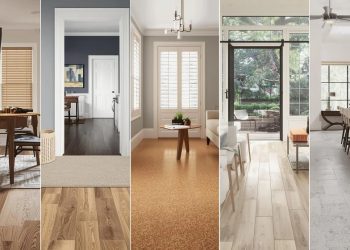

Natural timber brings timeless warmth, organic grain patterns, and undeniable elegance to residential interiors. Across Singapore’s apartments and landed homes, homeowners prize classic parquet arrangements for their acoustic comfort and visual sophistication. However, timber remains a hygroscopic material, meaning it continuously absorbs and releases moisture from the surrounding air even after craftsmen mill, kiln-dry, and varnish the planks.
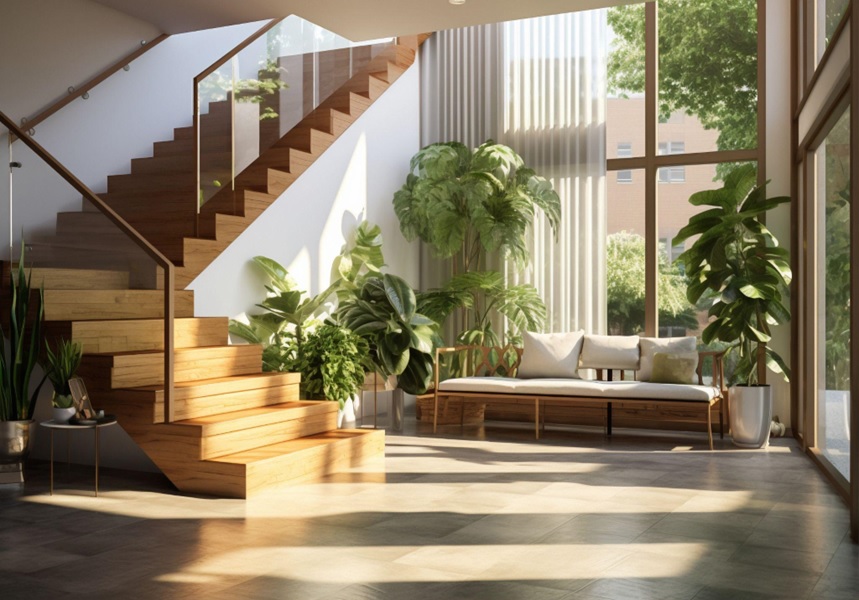
Living near the equator exposes interior timber to relentless environmental fluctuations. Ambient relative humidity routinely hovers between eighty and ninety per cent during monsoon months, while domestic air conditioning creates abrupt pockets of dry, chilled air. Maintaining floor wood parquet in this tropical climate requires understanding how moisture interacts with cellular wood fibres. Just as fluctuating indoor air impacts a solid wooden staircase, persistent dampness triggers noticeable structural changes across parquet blocks.
Triggering Wood Expansion, Cupping, and Buckling
When indoor relative humidity climbs above sixty per cent, timber planks absorb excess water vapour from the atmosphere. As water molecules penetrate the wood cells, individual parquet strips swell widthwise across the grain.
Because installers lay parquet blocks tightly together, expanding wood strips push relentlessly against neighbouring pieces, creating visible structural distortions:
Plank Cupping: The outer edges of each wood strip absorb moisture faster than the centre, causing the edges to curl upward while the middle sinks slightly.
Surface Crowning: When homeowners sand cupped floors prematurely before moisture levels normalise, the centre of the plank later bulges upward once the timber dries out.
Severe Buckling: Extreme moisture saturation, often triggered by driving rain through open balcony doors or subfloor plumbing leaks, forces parquet strips to pop completely free from the adhesive bed.
Joint Squeaking: Swollen timber edges rub tightly against adjacent blocks under foot traffic, producing persistent creaking sounds across high-traffic hallways.
Monitoring indoor moisture prevents irreversible mechanical pressure from ruining your floor wood parquet.
Creating Seasonal Gaps Through Air-Conditioning Cycles
While outdoor air stays perpetually humid, modern urban lifestyles introduce sharp micro-climate swings inside the home. Running bedroom air conditioners at 18 degrees Celsius every night strips moisture out of the indoor air rapidly.
As relative humidity drops inside chilled rooms, timber planks release stored moisture back into the atmosphere and shrink. This contraction pulls individual parquet blocks apart, opening unsightly hairline gaps between strips. When you switch off the air conditioning in the morning and open windows to humid tropical breezes, the wood swells once again.
These daily expansion-and-contraction cycles place continuous mechanical fatigue on polyurethane sealants and subfloor adhesives. Over time, repeated movement weakens glue bonds and causes surface lacquer to crack along plank joints.
Encouraging Fungal Growth, Mould, and Subfloor Dampness
High humidity combined with warm equatorial temperatures creates an ideal breeding ground for biological growth. When moisture condenses beneath timber flooring, particularly on ground-floor slabs or areas adjacent to bathrooms, fungal spores germinate rapidly.
Trapped subfloor dampness causes dark water stains to bleed upward through the timber grain, discolouring golden teak or oak planks into patchy grey shadows. Worse still, persistent moisture encourages mould colonies and attracts wood-boring insects that weaken structural integrity.
Pay close attention to transition zones where ground-level parquet meets a wooden staircase. Moisture wicking upward from concrete foundations can travel into lower stair risers and treads if contractors omit proper damp-proof membranes during installation.
Stabilising Indoor Micro-Climates and Protective Finishes
Preventing humidity damage does not require abandoning natural timber; it demands proactive environmental management. Keeping indoor relative humidity steady between 45% and 60% keeps wood fibres calm and dimensionally stable.
Operate standalone dehumidifiers or run your air conditioner’s dry mode during rainy afternoons to pull excess moisture from living spaces. Wipe up wet umbrella drips, spilt drinks, and damp mop water immediately rather than letting puddles sit on varnished surfaces.
Furthermore, inspect your timber’s protective topcoat every few years. Applying fresh coats of breathable polyurethane or hardwax oil seals microscopic surface pores, slowing down moisture absorption and preserving your floor’s rich lustre.
Preserve Your Timber Elegance for Decades to Come
Understanding how tropical moisture drives plank cupping, air-conditioning shrinkage, subfloor dampness, and lacquer wear empowers homeowners to care for natural timber effectively. Consistent humidity control and timely surface maintenance keep your floors flat, quiet, and visually striking throughout every monsoon season.
Check your indoor hygrometer readings today, seal window drafts against driving rain, and maintain a balanced climate that keeps your timber interiors looking magnificent.
Frequently Asked Questions
What is the ideal indoor humidity level for wood parquet flooring?
Maintain indoor relative humidity between 45% and 60% to prevent wood planks from swelling during rainy weather or shrinking excessively under air conditioning.
Can professionals repair cupped wood parquet without replacing the whole floor?
Yes, once you eliminate the moisture source and allow the timber to dry completely to normal moisture levels, flooring specialists can sand the surface flat and apply fresh varnish.
How should I clean wood parquet flooring without adding excess moisture?
Use a dry microfibre dust mop for daily sweeping and a slightly damp, never dripping wet, cloth with a pH-neutral wood cleaner for weekly maintenance.
Looking to install enduring parquet flooring, restore weathered timber planks, or upgrade your home with bespoke architectural woodwork? Contact Wood Capitol today to learn more.