
There’s something undeniably appealing about having a personal retreat tucked away from the hustle of everyday life. Whether you’re dreaming of a weekend getaway, a home office alternative, or simply extra space for guests, the allure of cabin living continues to captivate homeowners across the country. When exploring your options, you’ll quickly discover that cabin sheds and smaller cabin structures have become increasingly popular for those seeking an affordable entry point into this lifestyle. But beyond the practical considerations of size and budget, one of the most important decisions you’ll face is choosing between a rustic or modern aesthetic.
This choice goes far deeper than mere appearances. The style you select will influence everything from construction materials and maintenance requirements to how the structure integrates with its surroundings. Understanding the characteristics, benefits, and potential drawbacks of each approach can help you make an informed decision that aligns with both your practical needs and your personal vision.
The Enduring Appeal of Rustic Cabin Design
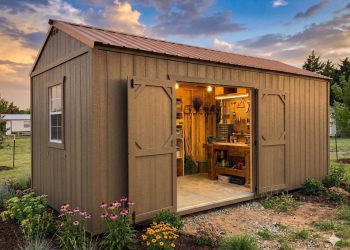
Rustic cabin design draws heavily from traditional building methods and natural aesthetics. This style embraces the inherent beauty of raw materials, celebrating wood grain, stone textures, and handcrafted details rather than hiding them behind polished finishes. The goal is to create a space that feels like it belongs in nature, as if it grew organically from the landscape itself.
Key Characteristics of Rustic Design
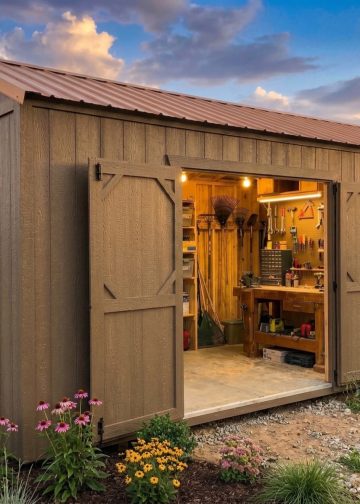
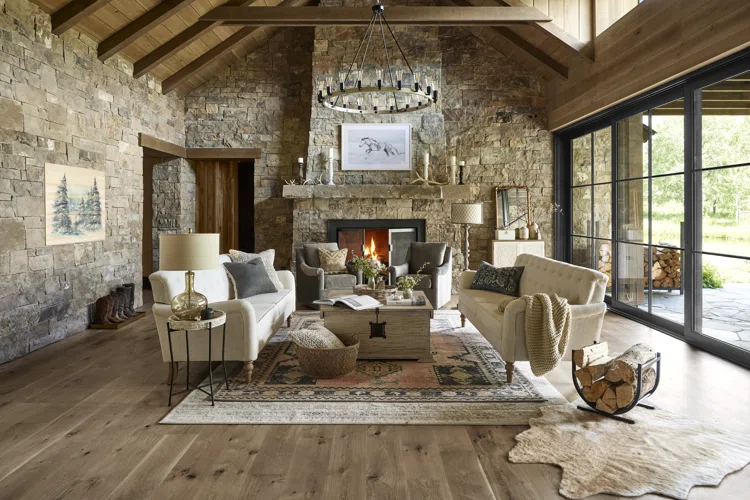
At its core, rustic design prioritizes authenticity and warmth. Exposed wooden beams, rough-hewn lumber, and natural stone foundations create visual interest while establishing a connection to historic building traditions. Many rustic cabins feature log construction, whether full logs stacked horizontally or partial log siding applied over conventional framing. The wood is often left natural or finished with penetrating oils and stains that enhance rather than obscure the grain.
Interior spaces in rustic cabins typically feature open floor plans with high ceilings and exposed structural elements. Fireplaces or wood-burning stoves serve as focal points, providing both heat and atmosphere. Furniture tends toward sturdy, comfortable pieces made from natural materials like leather, wool, and wood. Color palettes draw from the earth, featuring warm browns, forest greens, deep reds, and cream tones.
Windows in rustic designs often feature divided lights and wooden frames, sometimes complemented by shutters. The overall effect is charming and inviting, evoking memories of childhood camping trips and family vacations spent in more primitive accommodations.
Benefits of Choosing Rustic Style
The rustic approach offers several practical advantages. First, it tends to age gracefully. Scratches, dents, and weathering actually enhance the aesthetic rather than detracting from it. This makes rustic cabins particularly well-suited for rental properties or vacation homes where wear and tear are inevitable.
Second, rustic design often integrates more seamlessly with natural settings. A log cabin nestled among trees feels like a natural extension of the forest, whereas more contemporary designs might create visual contrast that some find jarring.
Third, the emphasis on natural materials can create a healthier indoor environment. Wood naturally regulates humidity and can improve air quality. Many homeowners also appreciate knowing exactly what materials surround them, without concerns about off-gassing from synthetic products.
Considerations and Potential Drawbacks
Rustic design does come with challenges. Natural materials require regular maintenance to protect against moisture, insects, and UV damage. Log cabins particularly need consistent care, including regular staining or sealing and ongoing inspection for signs of deterioration.
The aesthetic can also feel heavy or dark in small spaces. If your cabin is modest in size, the visual weight of exposed beams, log walls, and substantial furniture might make interiors feel cramped rather than cozy.
Building costs can vary significantly depending on construction methods. Traditional log construction requires specialized skills and can be expensive, while more modern interpretations using conventional framing with rustic finishes offer a more budget-friendly alternative.
The Clean Lines of Modern Cabin Design
Modern cabin design represents a departure from tradition in favor of clean lines, minimalist aesthetics, and innovative use of materials. This style doesn’t reject nature but rather seeks to frame it, creating intentional views and a sense of connection through careful design rather than through material authenticity.
Defining Features of Modern Design
Modern cabins prioritize simplicity and function. Exterior forms tend toward geometric shapes, often featuring flat or low-pitched roofs, large expanses of glass, and smooth exterior finishes. Materials might include metal siding, concrete, or smooth wood planks installed with tight joints and minimal visible fasteners.
Windows play a starring role in modern cabin design. Floor-to-ceiling glass walls, corner windows without visible supports, and strategically placed openings create what architects call “borrowed landscape,” bringing the outdoors visually inside. The goal is to create a sense of transparency and lightness, dissolving the boundary between interior and exterior.
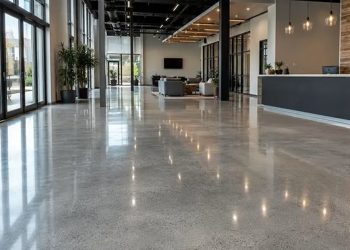
Interior spaces feature open floor plans with minimal interior walls. Ceilings may be flat, following the roofline, or may incorporate subtle angles. Finishes tend toward smooth surfaces like polished concrete floors, smooth wood flooring, drywall, and minimalist cabinetry. Colors are typically neutral, with whites, grays, and blacks dominating, often accented by natural wood tones or bold color in limited doses.
Advantages of Modern Design
Modern cabins offer distinct benefits that appeal to contemporary sensibilities. The emphasis on natural light creates bright, uplifting spaces that many find conducive to relaxation and mental clarity. Large windows maximize views, making even smaller footprints feel spacious and airy.
Maintenance requirements often prove lower compared to rustic alternatives. Smooth surfaces are easier to clean, and modern materials like metal siding require less ongoing care than natural wood. Quality modern construction also tends to age well when properly executed, developing a subtle patina without the intensive maintenance that natural materials demand.
Energy efficiency represents another significant advantage. Modern construction methods typically include superior insulation, air sealing, and high-performance windows. When combined with solar panels and other sustainable technologies, modern cabins can achieve near net-zero energy consumption.
The minimalist aesthetic also tends to feel more spacious, making modern design particularly suitable for smaller structures. Clean lines and uncluttered spaces create visual calm, which many homeowners find restorative.
Challenges to Consider
Modern design isn’t without drawbacks. The emphasis on large windows can create privacy concerns, requiring careful site planning or window treatments. The same windows that maximize views can also lead to heat loss in winter and overheating in summer without proper glazing and shading strategies.
Construction quality becomes paramount in modern design. With minimal ornamentation and such a focus on precision, any flaws in execution become immediately apparent. Finding contractors experienced in modern building methods may prove challenging in some areas.
Some critics argue that modern cabins can feel sterile or cold, lacking the emotional warmth that rustic designs naturally evoke. They may also clash with certain environments, particularly in densely forested settings where their geometric forms contrast with organic surroundings.
Finding Common Ground: Blending Styles
Many of the most successful cabin designs incorporate elements from both rustic and modern traditions. This hybrid approach allows homeowners to enjoy the best of both worlds, creating spaces that feel both contemporary and grounded in tradition.
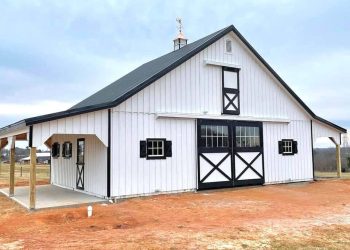
Common strategies include using modern forms with natural materials, such as a clean-lined structure clad in wood siding finished with transparent stain. Or reversing the equation, using rustic forms like gabled roofs and porches combined with modern materials and larger windows.
Interior spaces might feature modern flooring and cabinetry alongside exposed structural beams or a stone fireplace. The key lies in thoughtful editing, choosing elements purposefully rather than simply combining everything.
Practical Considerations Beyond Aesthetics
While visual style matters enormously, practical factors should also guide your decision. Consider your climate carefully. Some designs perform better in specific environments. Rustic designs with deep overhangs and covered porches handle heavy snowfall well, while modern designs with proper shading can excel in hot, sunny climates.
Think about how you’ll use the space. A cabin designed primarily for weekend getaways might prioritize atmosphere and charm, while a full-time residence or home office might benefit from the efficiency and low maintenance of modern design.
Budget inevitably plays a role. Talk with builders about different construction approaches and their associated costs. Sometimes the style you’re drawn to can be achieved through various methods at different price points.
Consider your site carefully. A wooded lot might naturally favor a rustic design, while an open meadow with mountain views might inspire modern architecture that frames the landscape. Topography, solar orientation, and existing vegetation should all inform your design decisions.
Making Your Decision
The choice between rustic and modern cabin design ultimately reflects your personal values and vision. Rustic designs honor tradition and craft, celebrating the materials and methods of generations past. Modern designs embrace innovation and efficiency, using technology and design thinking to create something new.
Neither approach is inherently better. The right choice depends on your specific site, intended use, maintenance tolerance, and personal aesthetic preferences. Take time to visit completed projects in both styles. Talk with owners about their experiences. Most importantly, honestly assess what matters most to you in a cabin experience.
Remember that successful cabin design captures a feeling rather than just following a style. Whether you’re drawn to the warmth of a traditional log structure or the serene clarity of modern architecture, the goal is creating a space that feels like true escape, a place where you can disconnect from daily pressures and reconnect with what matters most.
Your cabin should reflect your vision, support your lifestyle, and stand as a space where memories are made. By understanding both rustic and modern approaches, you’re better equipped to make choices that will serve you well for years to come. The journey toward your perfect cabin begins with defining what perfect means to you.